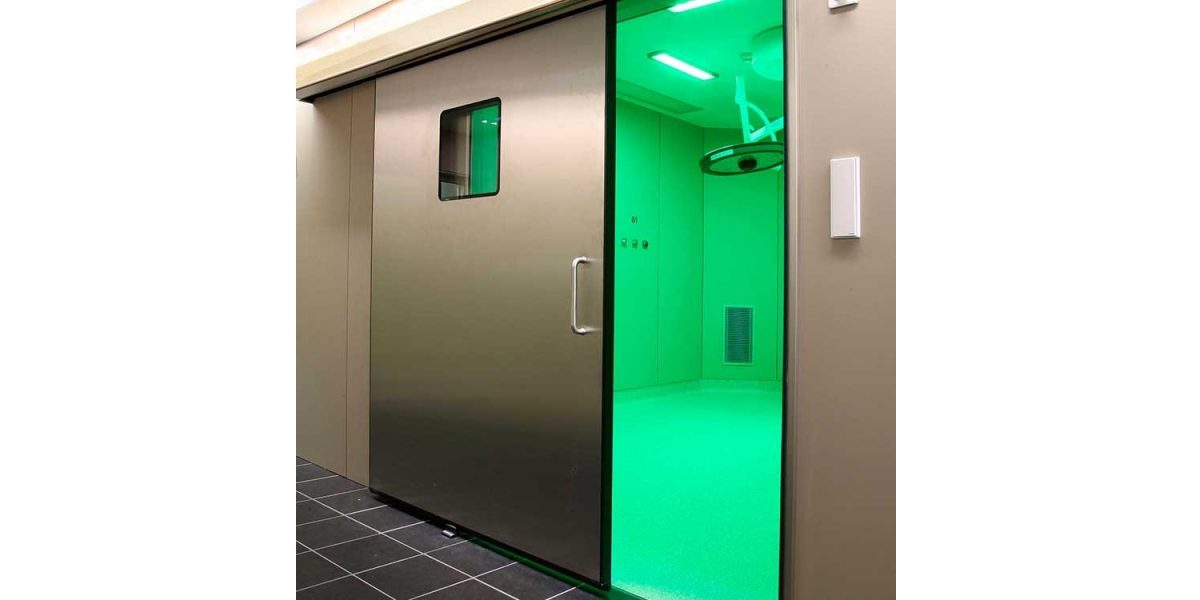
Key Highlights
- Hermetic doors are essential for maintaining a sterile environment in operating rooms, preventing the spread of infection.
- These doors are designed with airtight seals and pressure resistance technology to create a completely isolated environment.
- Constructed from materials like stainless steel, hermetic doors offer durability and hygiene, essential for healthcare settings.
- Hermetic doors comply with strict medical standards and regulations, ensuring the safety of patients and staff.
- Their installation significantly enhances infection control and contributes to a safer healthcare facility.
Introduction
Hermetic doors play a pivotal role in maintaining the safety and sterility of operating rooms. These doors, equipped with advanced technology and hermetic seals, ensure airtight closure to prevent the spread of infection. By controlling air pressure and maintaining a sterile environment, these doors help healthcare facilities comply with stringent medical standards. The use of materials like stainless steel enhances hygiene levels, crucial for maintaining clean rooms. The seamless operation of automatic hermetic doors allows for smooth and efficient passage in and out of the operating theater. These doors, providing over-pressure and insulation, are essential for creating a controlled environment necessary for critical medical procedures.
Hermetic Doors: A Key Component in Operating Room Safety
Hermetic doors play a crucial role in maintaining the safety and hygiene of operating rooms. By ensuring an airtight seal, these doors prevent the spread of infections and contaminants, safeguarding the sterility of the environment. The ability to control air pressure, with features like over-pressure systems, adds an extra layer of protection. A combination of materials such as stainless steel and advanced technology like neoprene seals ensures maximum insulation and hygiene levels. In critical healthcare settings like operating rooms, where cleanliness is paramount, hermetic doors provide a reliable solution to minimize the risk of infection transmission and uphold the standards of patient care.
Ensuring Sterility Through Airtight Sealing
Hermetic doors play a vital role in maintaining a sterile environment in operating rooms through airtight sealing. The hermetic seal, often made of neoprene or stainless steel, ensures that no air or contaminants can leak in or out of the room, effectively preventing the spread of infection. By creating a barrier with over-pressure to control air movement, these doors guarantee the safety of patients and medical staff by minimizing the risk of contamination. This advanced technology in door panel design provides smooth free passage while upholding the highest standards of hygiene crucial in healthcare settings. Operating rooms equipped with hermetic doors offer an additional layer of protection against external factors, ultimately contributing to the well-being of everyone in the space.
Controlling Air Pressure for Infection Prevention
Effective infection prevention in operating rooms heavily relies on controlling air pressure. Hermetic doors play a vital role by creating a sealed environment that minimizes the spread of infection. These doors are designed to maintain over-pressure, preventing air leakage and ensuring a clean and sterile atmosphere within the operating room. By using advanced technologies like neoprene seals and stainless steel panels, hermetic doors provide a secure barrier that enhances the safety of patients and medical staff. The precise regulation of air pressure through these automatic doors significantly reduces the risk of contamination, supporting the overall hygiene standards of healthcare facilities.
Key Features of Hermetic Doors
What sets hermetic doors apart are their unique construction features designed to create an impermeable barrier. These doors utilize advanced sealing mechanisms, often incorporating a compression seal system that runs along the perimeter of the door leaf.
When the door closes, the seal is compressed against the door frame, creating a hermetic seal that prevents any passage of air. This exceptional air-tightness is crucial in operating rooms, where even the smallest leak of air can compromise the sterile environment.
Materials and Design for Maximum Hygiene
Hermetic doors used in operating rooms are typically constructed using high-quality stainless steel. The non-porous nature of stainless steel makes it incredibly hygienic, as it does not harbor bacteria or other microorganisms. Its smooth surface further contributes to hygiene, making it easy to clean and disinfect.
Beyond material selection, the design of hermetic doors prioritizes hygiene. The doors often feature flush surfaces and minimal crevices where contaminants could potentially collect, guaranteeing easy cleaning and sterilization. This meticulous design combined with robust materials ensures these doors meet the stringent hygiene requirements of healthcare facilities.
Advanced Technology in Pressure Resistance
Controlling air pressure is critical in operating rooms, and hermetic doors are instrumental in maintaining this balance. They are designed to withstand positive and negative pressure differences, preventing airflow between spaces with differing pressure levels.
This pressure resistance is achieved through the door’s robust construction and airtight sealing. The hermetic seal ensures that air cannot leak through the door, while the structure itself is engineered to withstand pressure discrepancies without compromising its integrity.
In the event of pressure changes, the door remains steadfast, preventing any uncontrolled airflow and maintaining the critical pressure balance within the operating room. This feature is essential for the safety of both patients and medical professionals.
Benefits of Installing Hermetic Doors
The integration of hermetic doors within healthcare settings, particularly operating rooms, offers numerous benefits, with infection control being among the most significant. By effectively preventing the spread of infection, these doors contribute to a healthier environment for patients and healthcare professionals alike.
Furthermore, hermetic doors provide a higher level of compliance with stringent medical standards and regulations, making them an essential component of modern healthcare facilities.
Enhancing Infection Control in Healthcare Facilities
Hermetic doors serve as formidable barriers against the spread of infection. Their airtight seals effectively prevent the transmission of airborne pathogens, which is especially crucial in operating rooms where vulnerable patients undergo surgery. By containing contaminants, these doors minimize the risk of surgical site infections and other healthcare-associated infections.
Here’s how hermetic doors enhance infection control:
- Contaminant Containment: The airtight seal prevents the ingress and egress of airborne pathogens and other contaminants.
- Pressure Control: Hermetic doors help maintain the critical positive or negative pressure differential in operating rooms, further inhibiting the spread of airborne microorganisms.
- Hygienic Construction: Their stainless steel build and smooth surfaces facilitate thorough cleaning and disinfection, reducing the presence of harmful microorganisms.
Compliance with Medical Standards and Regulations
Hermetic doors are crucial in meeting the stringent standards and regulations governing healthcare facilities, including operating rooms. Their ability to maintain a sterile environment aligns with the strict guidelines set forth to ensure patient and staff safety.
Below is a table illustrating how hermetic doors address key regulatory aspects:
| Regulation | How Hermetic Doors Ensure Compliance |
| Infection Control Requirements | Airtight seals prevent pathogen transfer |
| Air Quality Standards | Maintain a clean and controlled air environment |
| Fire Safety Codes | Available with fire-rated options for compartmentalization |
These doors are meticulously designed and tested to adhere to these standards, providing assurance to healthcare providers that they are in compliance with industry regulations.
Why Choose Medicames for Your Hermetic Door Needs
When it comes to hermetic doors for operating rooms, Medicames stands out as a reliable and trusted provider. Our commitment to quality, safety, and customer satisfaction is reflected in our range of high-quality doors specifically engineered for demanding healthcare environments.
We understand that each operating room may have unique requirements, and we provide tailored solutions to meet your specific needs. Our team of experts is dedicated to providing exceptional service and support.
High-Quality Doors for Safe Operating Environments
At Medicames, we prioritize quality and safety in every aspect of our hermetic doors. Manufactured using premium-grade stainless steel, our doors provide exceptional durability and longevity. We understand the critical importance of maintaining a sterile theatre, and our doors are designed to meet the highest hygiene standards.
Beyond their robustness, our hermetic doors are rigorously tested to ensure they meet all safety standards.
Custom Solutions for Diverse Operating Room Requirements
Recognizing that operating rooms have diverse requirements, Medicames offers customization options to suit individual needs. Our doors can be tailored in terms of size, configuration, and features. Whether you require a specific wide opening for large equipment or have unique access control needs, our experienced team can work with you to design and build a hermetic door to match those specifications.
We understand that seamless integration with existing infrastructure is essential. Therefore, our custom solutions aim to minimize disruption during installation, ensuring a smooth transition and immediate enhancement of your operating room.
Conclusion
In conclusion, hermetic doors play a crucial role in maintaining a sterile and safe environment in healthcare facilities. By incorporating advanced technology and high-quality materials, these doors effectively enhance infection control measures and ensure compliance with medical standards. Medicames stands out as a reliable choice for your hermetic door requirements, offering tailored solutions to meet diverse operating room needs. Investing in hermetic doors not only safeguards patient well-being but also contributes to the overall efficiency and regulatory compliance of healthcare settings. Trust Medicames for top-notch hermetic doors that prioritize safety and hygiene in medical environments.
Frequently Asked Questions
What Makes a Door Hermetically Sealed?
A hermetically sealed door, often using automatic door technology, employs specialized gaskets and compression mechanisms to create an airtight barrier. This insulation prevents any air transfer, ensuring a completely isolated environment.
How Do Hermetic Doors Aid in Infection Control?
Hermetic doors are paramount in healthcare settings for infection control. Their impenetrable seal prevents airborne pathogens from entering or leaving the room, maintaining strict hygiene standards.
Can Hermetic Doors Be Customized for Any Operating Room?
Yes, hermetic doors offer a high degree of customization to meet specific operating room needs. Whether it’s size, design, or the inclusion of a wide opening, these doors can be tailored to fit any space.
What Are the Maintenance Requirements for Hermetic Doors?
Hermetic doors, usually crafted from stainless steel, are remarkably low maintenance. Regular cleaning with mild disinfectants and periodic inspection of seals ensure their longevity and effectiveness.
How Do Hermetic Doors Contribute to Regulatory Compliance?
Hermetic doors play a crucial role in regulatory compliance by meeting strict medical standards. Their design, often incorporating HPL for hygiene, helps healthcare facilities adhere to infection control guidelines.
Have a question or an inquiry regarding Hermetic doors? don’t hesitate to send us your questions: Contact us or from Here.